

Summer Beers You’ll Want to Try
Maine BrewGuide reviews 5 summer beers from local breweries
Oxbow Brewing Company ~ Grizzaca
5% ABV
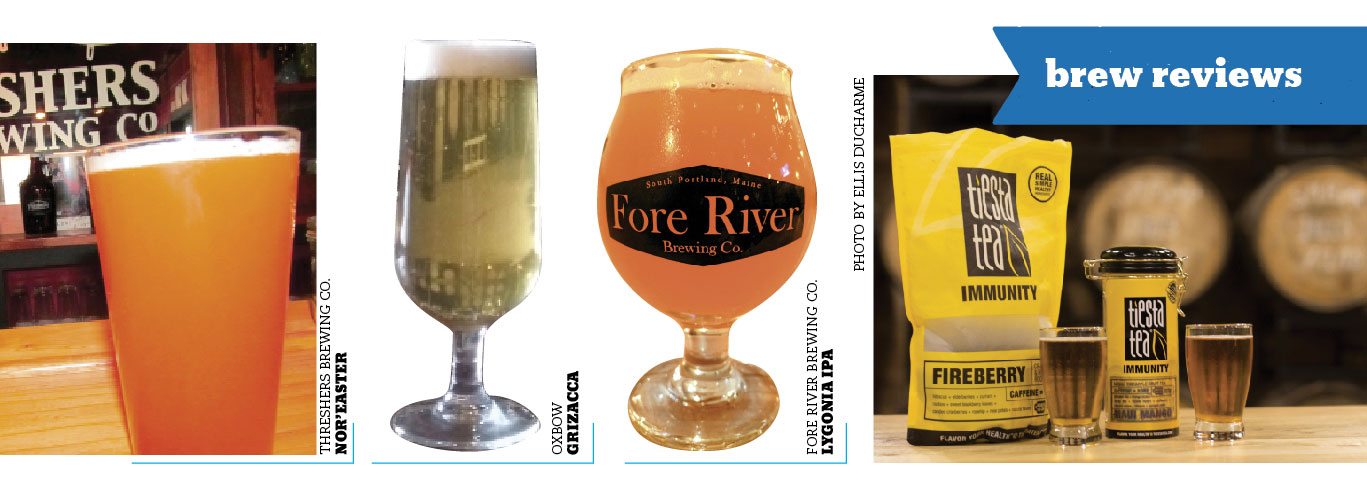
Kissing cousin to a Saison, Grizacca is Oxbow Brewing Company’s interpretation of the Belgian style beer called grisette. There is an infinite amount of lore surrounding this style, but it doesn’t have to get complicated: while saisons were made for farmworkers, grisettes were brewed for coal miners. Simple, until you find references to “grisettes,” young working women dressed in gray, “gris” in French. Let’s stick to the beer. Sipping Grizacca with Anne Marisic, Oxbow’s Director of Retail Sales, at noon on a gray, er, gris Saturday, was a perfect example of why we go to tasting rooms. Once inside, the world becomes smaller, the outside no longer bothers our consciousness. We are talking beer and drinking it. Grizacca is bright, crisp, with notes of pineapple and hints of the promise of spring. Ahhh. A must-sip beer for the spring and summer season. Watch for Rivulet in Summer, 2017, their newest grissette.
Threshers Brewing Co. ~ Nor’easter
5% ABV
In the springtime, on a day that just breaks 50 degrees, if you happen to be sitting outside on the patio at Threshers Brewing Co. in the deep woods of Searsmont, just kick back, prop up your Muck Boots and gaze at the bare trees and muddy parking lot. Then take one sip of their Nor’easter and close your eyes. You’re on the beach, baby, and it’s fast forward to summertime. This Northeast style IPA is made with a Vermont-style ale yeast, which lends some cloudiness to the honey color and the Australian El Dorado hops smooth it out without any trace of bitterness. It starts with citrusy, almost naval orange flavor, which gives way to a juicy, clean finish—sort of like a breath of clear, cool air on a hazy, summer day.
Shipyard Brewing Co. ~ Fire Berry & Maui Mango Blend
5% ABV
Tea beers are currently trending in Europe, with Germany being the epicenter for tea blending these days. Fortunately you don’t have travel far to experience Shipyard’s two options, Fire Berry and Maui Mango Blend. Both of these tea beers are wheat based and low in alcohol to allow a neutral canvas so when the teas are blended it allows the elements of the natural tea ingredients to come through. Oh, and caffeine-free!
The tea used is from Tiesta Tea, who has highly researched and selectively sourced teas from around the world for the best characteristics and flavor. The Maui Mango Blend: Has an aromatic nose that presents with notes of pineapple, orange slices and strawberries. The flavor has a pleasant juiciness and is not overpowering, it leaves you with a clean, crisp finish. Fireberry: A more tea forward beer, is made with blackberries, elderberries, currants and hibiscus and has a clean slightly bitter finish which I enjoyed.
In lieu of hops: Tea beers have achieved what is being done with hops these days. Today’s brewers are finding new ways to exploit the bountiful flavors from natural fruit and varying tea blends that allow full, complex flavors in sessionable beers.
Oxbow Brewing Co. ~ Loretta
4% ABV
The brainchild of Oxbow head brewer Mike Fava, Loretta resurrects the once-forgotten style of grisette. Originally brewed as a libation for French coal and stone miners centuries ago, the style is a close cousin to saison, similarly low in alcohol and refreshing. Loretta is one of three grisettes the farmhouse brewery produces – along with the La Griseta and Grizzaca – and the most traditional example of the style. Brewed with European hops and locally-harvested spelt grain, the light-bodied beer clocks in at an easy-drinking 4% ABV. Loretta pours a pale yellow with a big, estery nose, and is a crisp, refreshing mix of lemon, wheat and grainy sweetness with a slightly citric bite.
Fore River Brewing Company ~ Lygonia IPA
6.5% ABV
Lygonia’s golden hue glows like a July sunrise over Casco Bay. Its nose emanates a summer-rich aroma of peaches, grapefruits, and pineapple from the Ella and Topaz hops. As you sip Lygonia, (Fore River Brewing Company) tropical fruit flavors give way to refreshing pine notes until finally easing back to a mango hop finish. It has just the right sweet malt body to balance out the generous addition of hops, while the dry finish leaves little residual sugars to get in the way of its refreshing hop voyage. Lygonia is the perfect companion to backyard cornhole with friends while Tom Petty croons on the radio.
— Text & Photos: Grizacca – Kate Cone; Nor’Easter – Kay Stephens; Fire Berry & Maui Mango Blend – Stan Rintz; Loretta – Josh Christie; Lygonia IPA – Dave Patterson
Maine’s Cup Runneth Over
The State’s craft distillery movement is spilling over into its cocktails.

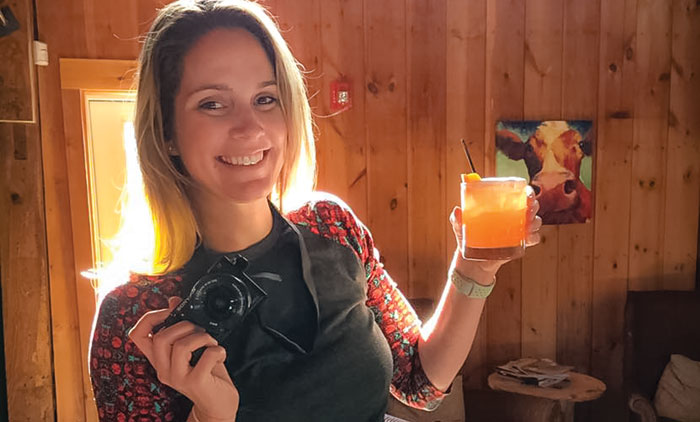
Photo: Wiggly Bridge Distillery
Did you know Maine was the birthplace of prohibition? Maine passed the first laws in the country to ban the sale of alcoholic beverages. If not being able to have your afternoon Old Fashioned doesn’t put a sour taste in your mouth, I don’t know what will.
As history states, the Maine prohibition law was repealed in 1934 and Maine residents were able to enjoy their afternoon beverage again and that’s pretty sweet.
Being part of Wiggly Bridge Distillery since its foundation, we see that the craft beer trajectory is being replicated by the craft spirits industry. According to the American Craft Spirits Association there are over 1,300 craft spirits producers nationally as of October 2016. That’s more than double the amount of craft distilleries that existed 10 years ago. This speaks volumes about the strong interest in craft spirits. This surge and uprising is no different for Vacationland. In 2009, there were only 3 distilleries in the state of Maine. Maine now has its own Distillers Guild and has 12 members mapped out on their website.

Photo: Wiggly Bridge Distillery
Maine is known for its pristine waters and aquifers. Not connecting that fact, in reference to this rum punch rhyme, would be doing the State a disservice.
The craft movement has become a huge part of our society not only in Maine, but nationally. The United States seems to be infatuated with artisanal everything, from handcrafted furniture to homegrown organic food to hand crafted chair socks. Yes, you read that right! Look it up. Now that the bulk of the alcoholic offerings behind the bar have been upgraded by the craft movement, it’s time to upgrade the ingredients that play nicely with these craft spirits. The term “fresh is best” rings true for the craft cocktail scene. Bartenders are juicing their own citrus instead of using something that’s pre-made. Ian Michaud, distiller from Liquid Riot, can attest to the fact that craft spirits have opened the doors to the craft cocktail scene. “Craft cocktail makers pride themselves in creating their own mixers, bitters, shrubs, syrups etc. The variety and quality of craft spirits now available to these mixologists allows them a level of freedom to create so many amazing libations!”

Liquid Riot / Yo Yo Nana
Ashleigh Hamilton, Lead Mixologist, from Wiggly Bridge Distillery, believes that the cocktails play off the complexities in craft spirits. “When creating a cocktail with a craft spirit the flavors are accentuated and create a more interesting cocktail while a commercial spirit may cause the cocktail to fall flat.”
Ned Wight, owner of New England Distilling, believes that craft spirits give the bartender more nuanced flavors to work with in a cocktail than a regular spirit. “It’s like they [bartenders] were working with a 4 pack of crayons 10 years ago and now they have the mega-pack (with sharpener!).”
The next time you sip a rum punch or an old-fashioned, think about what’s in your drink. Try out one of Maine’s incredible craft distillery options and enjoy the exponential flavor experience you get from drinking a craft cocktail. Your taste buds will start to appreciate the difference between a craft cocktail made with local craft spirits and one that has just come out of a soda gun.
— Text: Amanda Woods
Distilling in Maine: Ingenuity, Craft, and History
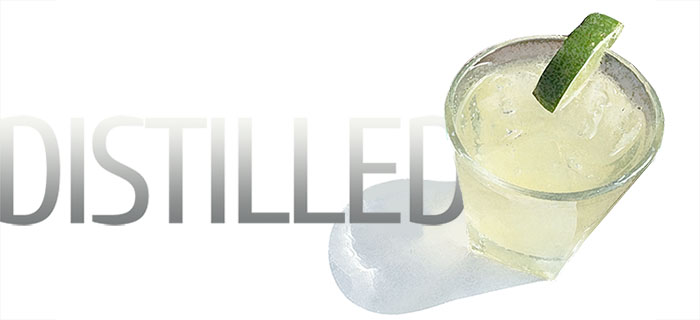
It’s mid-afternoon on a Saturday and I’m in an up-and-coming industrial neighborhood in one of Maine’s coastal towns, enjoying a drink. It’s Maine Craft Distilling’s take on a Moscow Mule, served with their spiced Ration Rum, ginger beer, and lime juice. Or perhaps it’s peppery Gunpowder Rye from New England Distilling, served straight up along with a tour of the distillery. I could be in Biddeford’s Pepperell Mill sipping a Bimini Special—a refreshing tonic made with Round Turn Distilling’s Bimini Gin, coconut water, lime juice, and a dash of bitters. The spirits may vary, but one thing is consistent: these craft distilleries are helping to bring life back to once-neglected industrial spaces as part of a resurgence of distilling in Maine that hasn’t been this robust since before Prohibition.
Craft distilleries and their accompanying tasting rooms are following in the well-trod steps of craft breweries. Fifteen distilleries have opened in Maine in the last 11 years, wrestling consumers’ attention away from national brands with carefully crafted, often locally-sourced products in a wide array of styles. Like breweries, the forerunners of the industry worked to change unfavorable laws leftover from the 1930s for their businesses to thrive. And it’s working—as regulations become friendlier to small businesses and the public’s thirst for craft beverages grows, more and more distilleries are firing up their stills and slinging drinks across the tasting room bar.
Distilling in Maine was actually outlawed for the longest period of time in the country—from the passage of the so-called Maine Law in 1851 until the repeal of Prohibition in 1933—a total of 82 years. It should follow then that near every distillery in Maine gives a nod to history by revitalizing forgotten spaces. Distillers work in once-abandoned mills and warehouses in Portland, Brewer, Biddeford and in renovated barns in York, Freeport, Union, and Newcastle. They create spirits that honor our state’s rich history of shipyards, working waterfronts, and agriculture in these spaces made relevant once again.
Of course, no one narrative captures the wide variety within Maine’s craft distilling industry. The men and women behind the stills produce unique spirits using technology that was first discovered in Medieval times, but given a 21st century twist. Unwanted potatoes become gin and vodka at Maine Distilleries; Split Rock Distilling ferments and distills locally-grown organic grains into vodka and bourbon. Several distilleries use molasses to make a number of rums as varied as those from the Caribbean Islands, and gins are flavored with unique botanicals like chamomile, rose petals, and naturally, blueberries. There’s a Maine-made spirit for everyone from fruity mixed drink lovers to serious whiskey aficionados.
As the Maine craft distilling industry grows, so does the average drinker’s knowledge of spirits. Bespoke cocktail menus featuring bitters, amaros, egg white-topped drinks, and housemade ingredients have helped turn many average bar-goers into a knowledgeable and discerning consumers. Others are simply happy to try something new that tastes good, and many are looking to connect with the story behind the drink. As a result, the last few years have seen a rise in the popularity of events and groups that offer drinks with a side of education.
The Portland Spirits Society (of which I am the founder) hosts ladies-only educational events about different styles of liquor. We’ve learned about everything from tequila and Scotch to what kind of whiskey pairs well with chocolate. Briana Volk, owner of the Portland cocktail bar Portland Hunt + Alpine Club, coordinates the New England Cocktail Conference annually, a multi-day event for industry professionals and the public. The conference’s events in years past ranged from tiki drinks 101 to a “grandpa drinks”-themed retro dinner.
A natural extension of the farm-to-table ethos that has gripped our nation’s food, craft distilling has what’s missing from those ubiquitous national brands: a unique sense of place. People want a drink with a story, and the ingenuity and craft that has long characterized the makers of our state fills every bottle. So next time you order a drink at a bar, ask what’s local, and listen for the unique story that only a Maine-made spirit can tell.
— Kate McCarty is a food and drink writer living in Portland, Maine. She has written two books, including Distilled in Maine: A History of Libations, Temperance, and Craft Spirits. Find more of her writing at blueberryfiles.com.
Brewed Awakenings: The Fusion of Coffee and Beer
When you think of the words “Maine,” “coffee,” and “alcohol,” your mind probably goes to Allen’s Coffee Brandy. The ubiquitous brown liquor is practically synonymous with Maine, where it’s been the best-selling spirit in the state for over twenty years. In recent years, Allen’s annually sells over a million bottles – nearly one for every resident of the state.
However, Mainers would be wise to marry coffee and alcohol with another libation – craft beer. Brewers in Maine, like those all over the country, have been incorporating coffee into their brews to delicious effect. And if you’re not a beer drinker, coffee beers can be a great introduction.

Photo: Josh Christie
In the world of commercially-brewed beer, fusion of coffee and ale is a relatively new development. As recently as the mid-90s, the first coffee beers were met with resistance from the Bureau of Alcohol, Tobacco and Firearms, who cited coffee as not being an approved additive for beer. Thankfully, the humble coffee bean survived this threat, and now features prominently beers that vary wildly in style and flavor.
Hops’ and grains’ characteristics in beer vary wildly based on where they’re from and how they’re roasted. In the same way, coffee beans can create a rainbow of different flavors and aromas in beer. A coffee bean can add notes that range from floral and fruity, to smokey, to brown sugar sweet. A favorite early-morning activity of mine is stopping into Speckled Ax in Portland and looking over the flavor descriptions for their different coffees. Coffee has a bounty of descriptors, and the list could put sommeliers to shame.
Coffee is added to beer in a variety of different ways. Sometimes, grounds are steeped in water used to brew a batch of beer for a couple days, then blended into the beer during primary fermentation. Other beers call for adding similarly steeped water directly into the brite tank, where the beer is conditioned after primary fermentation. Still others add brewed coffee just before the beer is bottled and sent off to market. Each method imparts coffee characteristics in different ways, in the same way different methods of brewing coffee result in a different cup of joe. And that can all take a backseat to how much coffee is used, which can mean the difference between subtle coffee notes and a beer that tastes like a latte.
The majority of coffee beers on Maine brewers’ taps are stouts and porters, which makes sense. Those are styles that already have the bitter, roast flavors that many people associate with coffee. The addition of coffee simply accentuates and amplifies them.
The coffee-beer connection is also a chance for brewers to collaborate with local coffee roasters, craftsmen and women who work in an environment not dissimilar from a craft brewery. Even when they aren’t working together directly, the use of locally-roasted coffee drives business through the doors of these Maine producers. The superhero team-up has led to great beers like Waypoint (from Rising Tide and Tandem Coffee), Joe Stout (Bag and Kettle and Carrabassett Coffee), Jolly Woodsman (Banded Horn and Speckled Ax), Happy Dog (Marshall Wharf and Green Tree Coffee), and Mr. Grumpy Pants (Norway Brewing and Coffee By Design).
In addition to offerings that are brewed first and foremost as coffee beers, a number of Maine brewers have won over drinkers with coffee-infused versions of their regular lineups. Foundation’s Burnside, already a sweet and nutty brown ale, takes on a deep coffee complexity when infused with coffee. Loads of other local brews – like Barreled Souls Quaker State, Austin Street Six Grain, Oxbow Townline Porter, and Saco River Old Course, to name just a few – tinker with their darker beers by adding brewed coffee or roasted coffee beans before pouring.
While the marriage of coffee and dark beers feels natural, brewers have discovered that java can be added to other styles with surprising – and impressive – results. Peak Organic’s Espresso Amber, which debuted in 2008, combines organic, fair-trade espresso with the toasty malt and slightly fruity flavors of an amber ale. Rather than overpower the beer, the coffee adds rich, roasty notes and a whiff of coffee in the nose.
Limerick’s Gneiss Brewing occasionally adds cold brew concentrate to Delta, a Dunkelweizen (a dark wheat, German-style beer). The result brings rich, roast coffee flavor to the bread and banana notes of a dunkel, creating a complex and unique beer. Strong Brewing also brews a dunkel with coffee, their 44 Kaffee Weisse. The legendary brewers at Allagash created James Bean by infusing a bourbon barrel aged, Belgian-style strong ale with cold press coffee from Speckled Ax. It all comes together in a beer bursting with caramel, coffee, bourbon, and berry flavors.
Maine’s brewing scene even has a limited edition brew that pays tribute to the infamous Allen’s Coffee Brandy. Since 2013, Ellen’s Coffee Stout has been brewed by Bar Harbor’s Atlantic Brewing Company. Coffee from Crooked Porch Coffee, milk sugar, and Madagascar vanilla make for a sweet and creamy stout that recalls the milk-and-brandy cocktail favored by Allen’s biggest fans.
Text: Josh Christie





Maine Brew & Bev
9 Susan’s Way, Windham, Maine 04062
Tel: 207-671-7230
Email: info@mainebrewandbev.com